Call Us: +886-2-29068181Email: 121@abalocks.com
enLanguage

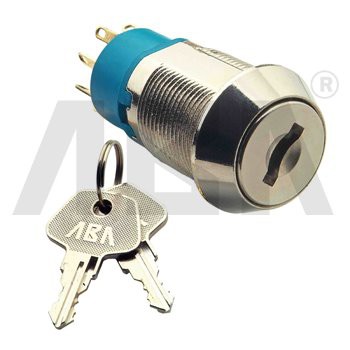
Switch Lock

What Is Switch Lock


Switch lock is a type of lock that is used to prevent unauthorized access to a switch or control. It is commonly used in industrial and commercial settings to lock switches on machinery and equipment to ensure that they are not accidentally or intentionally turned on or off. The switch lock typically consists of a metal or plastic cover that fits over the switch or control and is secured by a lock or padlock. This prevents anyone from operating the switch without a key or combination. Switch locks can also provide additional safety for workers by preventing accidental activation of machinery or equipment during maintenance or repair work.


Advantages of Switch Lock
 
01/

Increased protection

High-security locks are designed to be more resistant to picking, drilling, and other common methods used by burglars to gain entry into a property. They offer greater security and peace of mind by making it more difficult for intruders to bypass the lock and gain access.  

02/

Key control

High-security locks are designed to provide better key control, which means that only authorized personnel will have access to the keys. High security locks often come with patented key control systems that only one locksmith is authorized to make duplicate keys with proper authorization from the business owner.

03/

Durability

High-security locks are made from high-quality materials and are designed to withstand harsh weather conditions, wear and tear, and other forms of physical damage. Locking mechanisms are pin specific so that only the locksmith with special tools can open. 

04/

Reduced insurance premiums

Insurance companies frequently offer lower premiums to customers who have high-security locks installed on their property. This is because these locks make it less likely that a break-in will occur, which reduces the risk of theft and property damage.

05/

Increased property value

High security locks can make your business more attractive to potential vendors and clients. This is because they signal that your property is well-protected and secure.

06/

Advanced technology

Many high security locks incorporate advanced technology such as electromechanical locks and keys, biometric readers or electronic keypads. This can provide even greater security and convenience. 


Why Choose Us

Factory

In line with the tenet of "quality first, credibility first, service first", we always develop with the goal of "creating the best supplier".

Professional team

The members of the team are highly skilled and proficient in their respective roles and possess the necessary education, training, and experience to excel in their jobs.

High Quality

The products are excellent and the details are carefully processed. Every raw material is strictly controlled. 

Competitive Price

We offering a higher-quality product or service at an equivalent price. As a result we have a growing and loyal customer base.


Types of Switch Lock
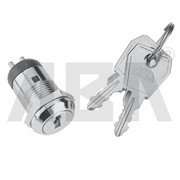
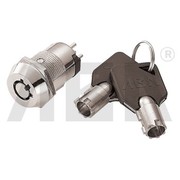
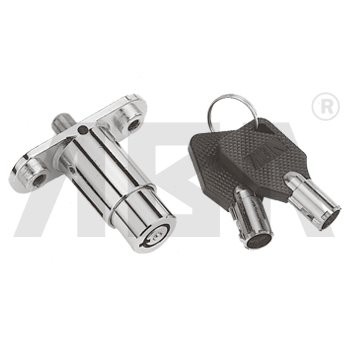
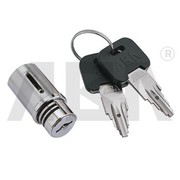
Miniature Tubular Push Locks
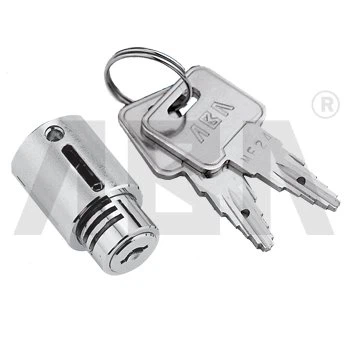
Showcase Plunger Lock
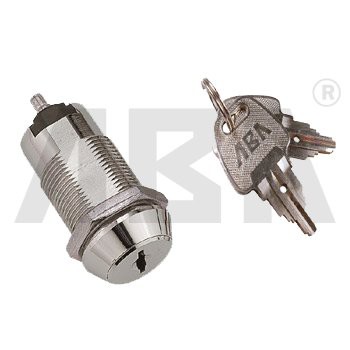
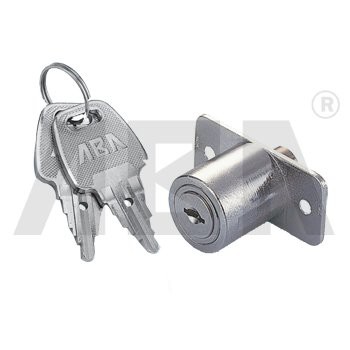
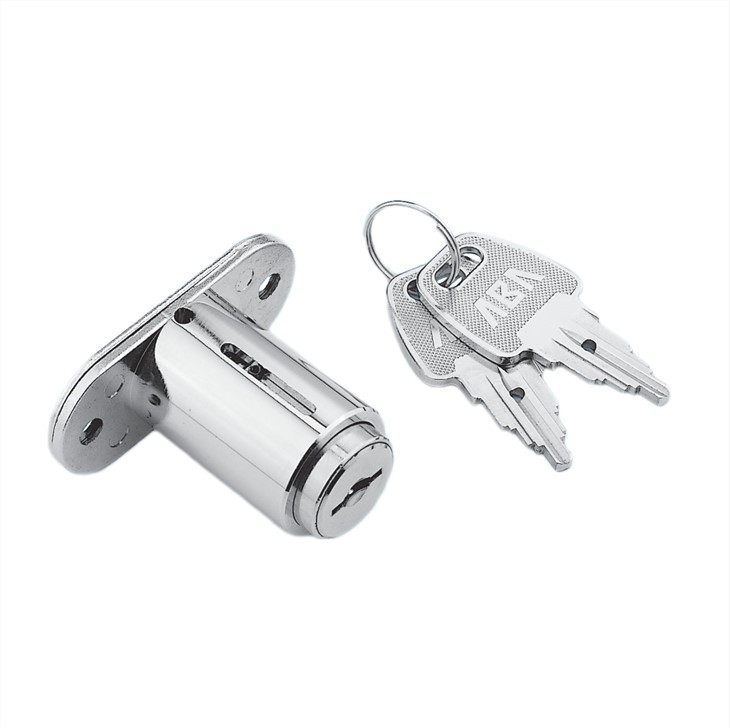
Plunger Key Lock
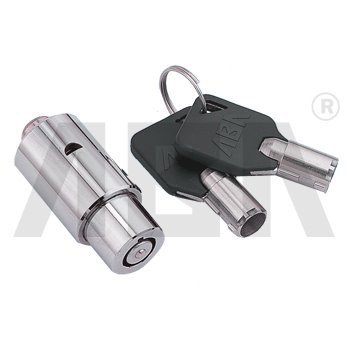
Cupboard Push Lock

Knob Locks
Knob locks are the most common type of door lock available and the chief security method for most doors. The lock cylinder is located in the knob itself instead of the door. Thus, knob locks should not be used on external doors, as they can be easily broken into with basic tools like a hammer or wrench.
Cam Locks
Cam locks consist of a fastener with an attached arm, or cam, that rotates to lock. They are cylindrical and have a metal tube with a hole in one side that helps position the bolt when it is inserted.
Deadbolt Locks
Deadbolts offer even stronger protection against burglary or break-in. They have lock bolts that move with the turning of a knob or key without a spring. Their unique locking mechanism is better equipped to resist physical attacks, battering and boring, making them less susceptible to a knife or hand tool.
Padlocks
Padlocks are freestanding. Unlike other lock types, they are portable and are not permanently attached to a door or container. They come in a variety of models that are grouped into two main categories: keyed and combination. Keyed padlocks also have a number of subtypes, including keyed alike, keyed differently and keyable.
Mortise Locks
These locksets can house either knobs or levers and provide more security than cylindrical locks alone. They are threaded and utilize mortise components added within the door. The box lock is set within a deep recess, or mortise, in the edge of the door and secured using a set screw and a cam, creating the locking mechanism.
Keypad Locks
Keypad door locks can be opened using an attached numerical keypad rather than a key. They can be battery-powered or mechanical and generally utilize deadbolt locks, knob locks or mortise locks for the actual locking mechanism.


Cupboard and Drawer Locks


Application of Switch Lock

Industrial Machines
Switch locks are used in machines and equipment that require an extra level of security and safety. This ensures that the machine will not be turned on accidentally or by unauthorized personnel.
Electrical Panels
Electrical panels often have switch locks to prevent unauthorized access to electrical components. This is especially important for panels that control critical electrical systems.
Control Panels
Switch locks are used in control panels to prevent accidental or unauthorized activation of switches and controls. This can help prevent damage to equipment and improve safety.
Doors
Switch locks are used on doors to control access to secure areas. This is common in high-security facilities like banks, data centers, and research labs.
Vehicles
Switch locks are often used in vehicles to prevent theft and unauthorized use. This can include ignition locks, steering wheel locks, and gear shift locks.


How Do You Install a Switch Lock


Determine the type of switch lock you need to install. There are different types of switch locks, including keyed, toggle, slide, and push-button locks.Turn off the power supply to the switch to prevent electrical shock.Remove the switch cover or plate to access the switch.Place the switch lock over the switch and align it properly. Some switch locks may come with adhesive backing, while others may require screws or other hardware.Install the screws or other hardware to secure the switch lock in place. Make sure the switch is still functional and can be turned on/off with the lock installed.Test the switch lock by attempting to turn the switch on/off with and without the lock engaged.


How to select the right Switch Lock
 

Switch type

It depends on the specific switch and application. Generally, switches that require a lock are those that control critical or sensitive functions, such as emergency stop switches, power switches, and circuit breakers.

Plunger Key Lock
Cupboard Push Lock

Locking mechanism

Switch locks can come with various locking mechanisms, such as key lock, combination lock, and padlock hasp. Choose a lock that suits your needs. For instance, key locks may be more secure, while padlock hasps offer more flexibility.

Installation

Consider the installation process of the switch lock. Some locks require special tools or drilling of the switch. Ensure that the lock you choose is easy to install and fits seamlessly.

Plunger Barrel Lock
Showcase Plunger Lock

Brand and user reviews

When it comes to switch locks, it's best to select products from established and trustworthy brands. By choosing a reputable brand, you can be assured of a product that has undergone rigorous testing and quality control processes. 

Durability

Look for a durable switch lock that can withstand wear and tear. Switch locks made from stainless steel or heavy-duty brass tend to be more durable.

Miniature Tubular Push Locks
Push Button Window Locks

Security level

Consider the level of security that the lock offers. If you need the highest level of security, choose a lock with a high-security rating.


How Do You Maintain a Switch Lock


Clean the switch lock regularl

Dirt and dust can accumulate inside the lock, causing it to malfunction. So, it's essential to clean the lock regularly using a soft, dry cloth. Avoid using any wet cloth or liquid cleaner as it can damage the lock's internal mechanism.

Check for any loose screws or parts

Gently check the screws and bolts of the lock from time to time to ensure they are tight. If you find any loose parts, tighten them immediately to prevent any damage to the lock.

Lubricate the lock

The internal mechanism of the lock requires proper lubrication to function smoothly. You can use a graphite or silicone-based lubricant to lubricate the lock. Avoid using any oil-based lubricants as they can attract more dirt and dust.

Test the lock regularly

To make sure the lock is functioning correctly, test it regularly by inserting the key and turning it. Also, check the smoothness of the lock while turning the key. If you find any difficulty turning the key or feel any resistance, it may necessitate professional maintenance.

Repair or replace damaged parts

If you notice any signs of damage or worn-out parts, it's crucial to repair or replace them immediately. Delaying the maintenance can lead to a full lockout or a significant security breach.


What Is the Life Expectancy of a Switch Lock


The life expectancy of a Switch Lock can vary due to several factors that impact its durability and longevity. The quality of lock construction plays a crucial role in determining the duration of its usage. A high-quality Switch Lock made using the best materials and manufacturing techniques can offer superior protection against wear and tear and last for many years. 


Cupboard and Drawer Locks

Can the Switch Lock Be Repaired if It Fails


If a switch lock fails, it is possible to repair it depending on the nature and extent of the problem. The first step is to diagnose the underlying issue, which may be due to a damaged lock mechanism, a malfunctioning key, a broken keyhole, or other reasons. Once the cause is identified, the appropriate repairs can be made. In some cases, it may be possible to replace individual parts that are damaged or worn out. For example, a broken key may require a new key to be made or a new lock cylinder to be installed. A damaged keyhole may need to be rekeyed or replaced. In more severe cases, the entire lock may need to be replaced.It is important to note that repairing a switch lock should only be done by a trained and experienced professional. Attempting to fix the lock without the proper skills and knowledge may cause further damage, compromise security, or cause injury. Additionally, depending on the lock type and brand, it may be more cost-effective and safer to simply replace the lock rather than trying to repair it.

Components of Switch Lock


Locking mechanism: The locking mechanism is the core component of the switch lock. It is what prevents the switch from being turned on or off without the proper key. The locking mechanism may use a key lock, combination lock, or other type of mechanism to secure the switch. 

Mounting plate: The mounting plate is the component that attaches the switch lock to the electrical switch. It is typically made of durable metal and is designed to fit over the switch, with holes for the switch's screws to hold it in place. 

Locking arm: The locking arm is a long metal arm that extends from the lock mechanism and wraps around the switch. When the lock is engaged, the locking arm prevents the switch from being flipped on or off. 

Key: A key is needed to unlock the switch lock and allow the switch to be operated. The key is usually unique to the switch lock and cannot be duplicated easily. 

Locking bolt: Some switch locks may include a locking bolt that secures the switch lock to the switch even further. The bolt extends through a hole in the mounting plate and into the switch itself, preventing the entire switch assembly from being removed from the wall or panel. 

Key: A key is used to open and close the lock core to lock or unlock the switch. The key is usually unique to the switch lock and cannot be used on other switch locks.

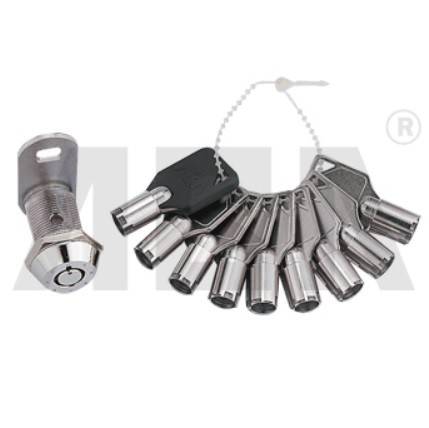
8 Change Tubular Cam Locks


How does a Switch Lock work


A switch lock is a simple locking mechanism used to prevent the unauthorized use of a switch. It is usually used to prevent the accidental or deliberate activation of a switch, such as those found on electrical equipment or machinery. The switch lock consists of a small metal lock that can be attached to the switch. When the lock is inserted and secured, it physically blocks the switch, preventing it from being moved or turned on. To unlock the switch, the user must have a key that is specifically designed for that particular lock. The key is inserted into the lock, and the lock is then turned or pulled out of the way, allowing the switch to be used as normal.


Material of Switch Lock


The material of a switch lock depends on the type and design of the lock. Generally, switch locks are made from durable and corrosion-resistant materials such as stainless steel, brass, and nickel-plated zinc alloy. The casing of the lock is usually made of metal, while the shackle and other internal components may be made of hardened steel or another sturdy material.The keyway of the switch lock is also important. It is typically made of brass or aluminum, as these materials are softer and easier to work with when manufacturing the lock. Additionally, some switch locks may have a plastic or rubber cover over the keyway for added protection against dirt, moisture, and other contaminants.


Our Factory


Established in 1983, through development and innovation for more than 40 years, Now ABA owns over 200 employees and over 40 specialized technical personnel.


productcate-1-1


Our Certifications


productcate-949-735


 FAQ


Q: What is a switch lock?

A: A switch lock is a device that is used to secure a switch or button from being accidentally pressed or turned on. It is typically used in applications where only authorized personnel should have access to the switch.

Q: What types of switches can be locked?

A: Switch locks can be used with a variety of switches including toggle switches, push-button switches, rotary switches, key switches, and more.

Q: How does a switch lock work?

A: A switch lock typically consists of a housing that fits over the switch or button, and a locking mechanism that prevents it from being pressed or turned. The locking mechanism can be released with a key or combination depending on the type of lock.

Q: What are some common applications for switch locks?

A: Switch locks are commonly used in industrial settings to prevent accidental activation of machinery or equipment. They can also be used to secure switches on appliances, security systems, and other devices that require restricted access.

Q: Can switch locks be installed on existing switches?

A: Yes, switch locks can be easily installed on existing switches with minimal modification.

Q: Are switch locks tamper-proof?

A: Switch locks are designed to be tamper-resistant, but like any security device, they can be bypassed if someone has the knowledge and tools to do so.

Q: Can switch locks be keyed alike?

A: Yes, many switch lock manufacturers offer keyed-alike options for multiple locks.

Q: What materials are switch locks made of?

A: Switch locks can be made of a variety of materials including metal, plastic, and composites.

Q: Where can I purchase switch locks?

A: Switch locks can be purchased online or from industrial supply stores. It is important to make sure you are purchasing the correct size and type of switch lock for your switch.

Q: What is the application of key switch?

A: Key switches can be used in many different applications. The most common uses for key switches are to lock the door of a building, or the standard car ignition control.

Q: What is the use of key lock switch?

A: A keylock switch is commonly used in industrial manufacturing equipment, either for safety reasons or to prevent unauthorized use, such as a keylock switch being required to reset a machine after its emergency stop switch is pressed.

Q: What is a locked switch?

A: Locking switches, lock out electrical devices, and toggle guards are designed to help prevent tampering or the accidental flipping of switches. Switch Locks: 15A and 20A locking switches that require a proprietary key to switch device or lights on and off.

Q: What is a key switch lock?

A: A key switch (sometimes called a keyswitch or lock switch) is a key-operated switch. Key switches are used in situations where access to the switch's functions needs to be restricted. On/off key switch. Key switches are available as components with solder connections, and are available with a variety of ampere ratings.

Q: What are the main four functions of switches?

A: The switch accomplishes these requirements by executing four basic functions: Learning, Forwarding, Filtering and Flooding. These functions are present in a switch by default, right out of the box.

Q: How do you unlock a locked switch?

A: If screen lock is enabled, the console screen will “lock” the moment the console enters sleep mode. When the console exits sleep mode, the Entrance screen is displayed. To unlock the screen press the same button three times.

Q: What is the difference between ignition lock and switch?

A: The switch and lock cylinder are two separate components to your ignition system. The lock cylinder is the mechanical receptacle for your key, while the ignition switch is an electrical device that triggers power transfer from the battery to the starter motor.

Q: What are the features of key lock?

A: Keylock switches are activated by a key that is turned in a circle and can stop in a range of positions. These devices provide security for a switching function because they require a key to activate them and may have multiple positions they can turn to or simply turn to one position.

Q: What are the different types of lock keys?

A: They can also be seen on some sliding doors in North America. There are three variations to this lock. They are single cylinder, double cylinder, and single cylinder with a thumb turn. The single-cylinder lock is operated with a key or rotating thumb turn on one side of the lock.

Q: What are the real life applications of switches?

A: Application of switches can be found in numerous fields such as military, industry, automobiles, aerospace, domestic & commercial premises, etc. They are used in a number of ways by employing two or more different kinds of switches.

Q: Where are switches used in real life?

A: A switch may be operated manually, for example, a light switch or a keyboard button, or may function as a sensing element to sense the position of a machine part, liquid level, pressure, or temperature, such as a thermostat.

We're professional switch lock manufacturers and suppliers in Taiwan, China, specialized in providing high quality customized service. Please feel free to wholesale high-grade switch lock at competitive price from our factory.

Locker Padlock Combination, Laptop Safety Lock, Combination Laptop Lock

(0/10)

clearall